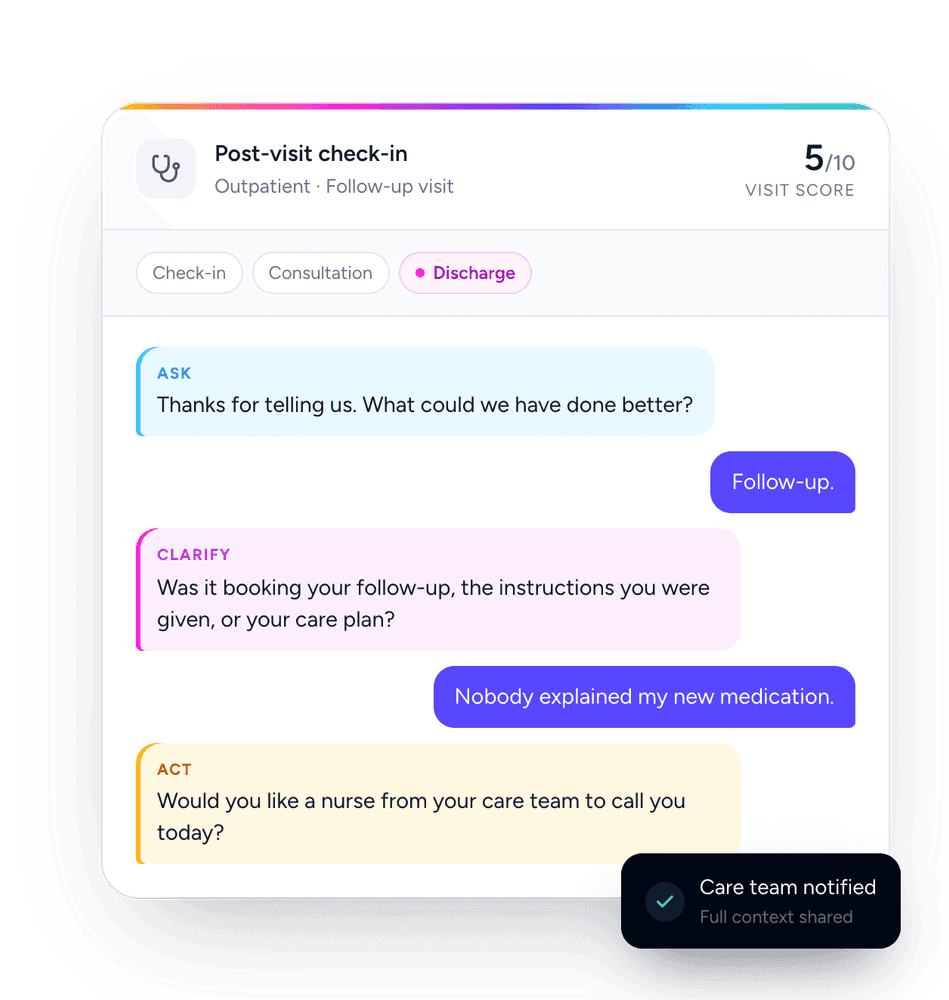
Handing a conversation from an AI agent to a person is the most delicate moment in automated support. This Echo test playbook describes how to design that handoff so customers never have to repeat themselves.
A poor handoff undoes all the goodwill an agent earns. A good one feels seamless, with the human picking up exactly where the agent left off. The text that follows is placeholder content for testing the Echo blog template.
Decide when to hand off
Handoff rules should be explicit. Write down the situations in which the agent must stop and call a person, such as a billing dispute, a request involving personal data or a customer who asks for a human. Ambiguous rules lead to inconsistent behaviour.
It also helps to define soft triggers, like repeated misunderstandings or rising frustration in the wording. Treat these as signals to offer a human rather than as automatic transfers, so the customer stays in control.
Trigger types at a glance
Hard triggers are non-negotiable and always route to a person. Soft triggers lead to an offer. Keeping the two lists separate makes the policy easy to explain and to audit.
Review the lists every quarter. As the agent improves, some soft triggers can be relaxed, and new risk areas may appear that deserve a hard trigger.
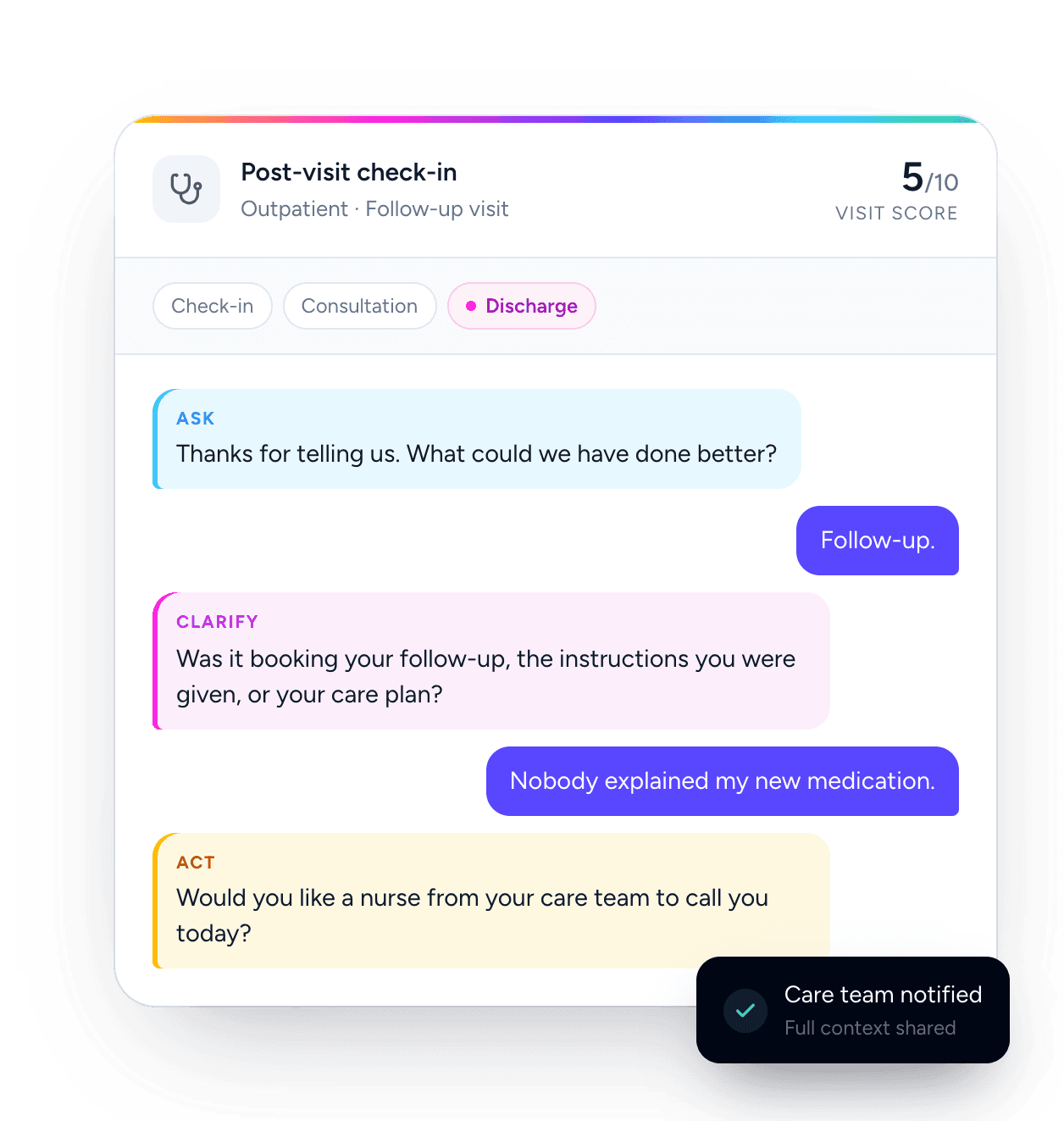
Pass the context along
The single biggest cause of frustration is being asked to repeat information. Send the full transcript, the customer identity, the actions already taken and the agent summary of the issue to the person who takes over.
The table below shows the minimum context packet we suggest. Adapt it to your own tools, but resist the urge to remove fields to save effort.
Write a useful summary
A two-line summary at the top of the transcript lets the human decide quickly how to respond. It should state the problem, what has been tried and what the customer wants next.
Train the agent to write that summary in plain language and in the same format every time. Consistency saves your team seconds on every single handoff.
| Context field | Why it matters |
|---|---|
| Customer identity | Avoids asking who they are again |
| Full transcript | Shows what was already said |
| Actions taken | Prevents repeating steps |
| Agent summary | Lets the person respond quickly |
Keep the customer informed
Tell the customer what is happening. A short message such as a specialist is joining now, along with an honest wait estimate, prevents the silence that makes people assume the conversation has been dropped.
If no one is available, say so and offer a callback or an email follow-up. An honest answer beats a long unexplained wait.
Measure handoff quality
Track how often customers have to repeat information after a handoff, how long they wait for a person and how satisfied they are at the end of the conversation. These three numbers reveal most handoff problems.
Sample a few handoffs every week and read them end to end. Patterns that never show up in averages become obvious in the transcripts.
Handoff checklist
Use this list when you review your own setup.
- Hard and soft triggers are written down.
- The context packet is complete.
- Customers see a clear status message.
- Handoff quality is measured weekly.
In short
Design the handoff as carefully as the agent itself. Clear triggers, complete context and honest communication turn a risky moment into a point of trust. This is Echo test content and will be removed after verification.
A worked example
Imagine a customer who asks the agent to change a delivery address after the order has shipped. The agent checks the order, sees that the carrier has already collected the parcel and recognises that it cannot change the address itself. Instead of apologising and ending the chat, it offers a specialist, writes a short summary and passes the order number and the new address along.
The specialist opens the conversation, reads the summary and contacts the carrier immediately. The customer never repeats the address, never waits in silence and receives a clear update within minutes. Multiply that experience across hundreds of conversations and the value of a well-designed handoff becomes obvious.
Test scenarios like this one before launch, using real examples from your own history, so that every rule in your playbook has been exercised at least once.