Use Cases of the Interior Design Client Questionnaire
Initial Consultations
This template can save time during initial consultations since it eliminates unnecessary questions, and the designer can tailor the approach to the client’s needs. Furthermore, you get an idea of the client’s budget, timeframe, desired style, and functional needs. Such a survey is a great way to learn about the client’s favorite colors, textures, patterns, and design styles. As a result, the designer can create a space that reflects the client’s personality and preferences.
Uncover Expectations & Challenges
Discover any existing limitations, such as structural issues or accessibility concerns, that could affect the design process. Moreover, you can use insights from the survey to set expectations around the design process, fees, and communication channels. This ensures everyone is on the same page – and avoids future misunderstandings.
Project Planning & Execution
Get specific details about furniture preferences, storage needs, and desired functionality for each room. This is also a great opportunity to make sourcing more efficient by understanding the client’s budget and tastes. As a result, you can make informed decisions, and choose materials, colors, and finishes, based on the client’s preferences and the design concept.
Market Research
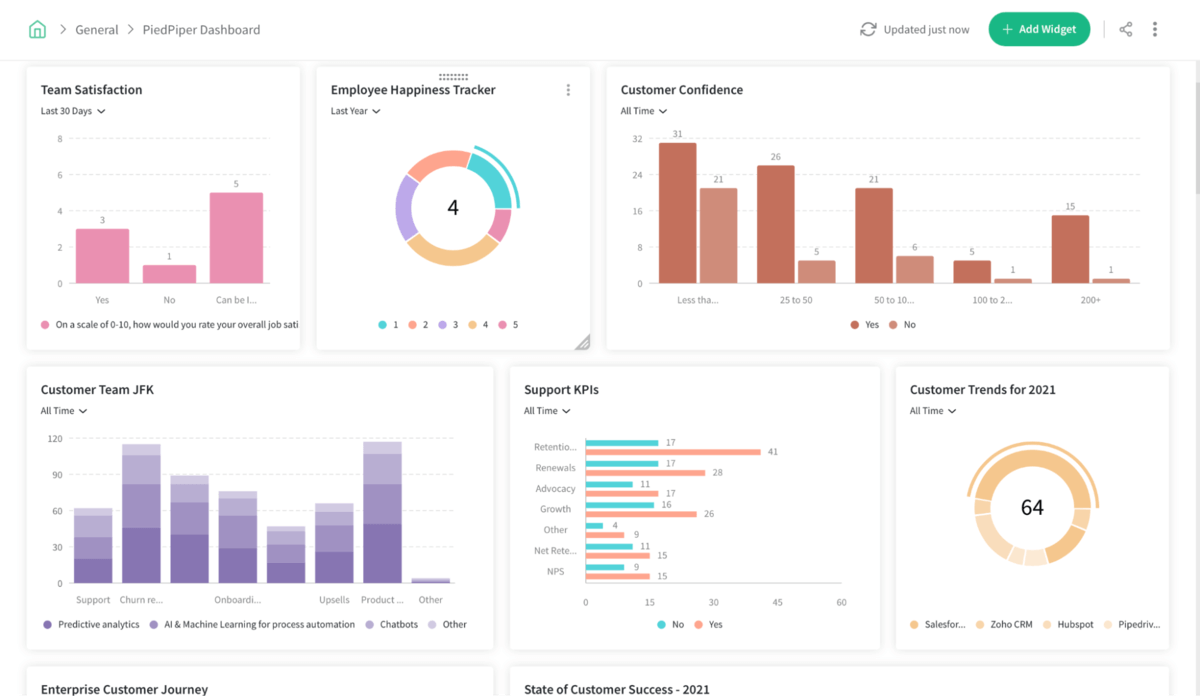
Find out what clients struggle with or what they value most, allowing you to offer unique solutions or emphasize your strengths. Stay on top of emerging styles, sustainability concerns, technological preferences, etc. to offer services that are relevant to your customers. In addition, SurveySparrow’s executive dashboards give you an overview of typical project budgets and client segments, all of which are essential details for pricing.
Why is This Form Useful For Interior Designers?
Makes a Good Impression
Sending this questionnaire shows the client that you have an established process in place, and are doing your due diligence. As a result, this sets a positive tone for the client-designer relationship. Moreover, it reassures the client that their project is in capable hands.
Automates Client Onboarding
You can integrate the form with existing CRMs to pre-fill fields with available data (e.g., name, email) from previous interactions or public sources. In addition, you can allow clients to upload documents, like design references or preferred color palettes, directly through the form.
Better Client Understanding
Who doesn’t crave the space of their dreams? When onboarding a client, you want to make sure you nail their vision, down to the last detail. The Interior Design Client Questionnaire Template lets you get an in-depth picture of each client’s needs and aspirations for their space, enabling you to tailor your services accordingly.
Efficient Workflows
This questionnaire helps to filling in any missing information or gaps from the initial meeting. In addition, it ensures that everyone is on the same page regarding expectations and requirements. By gathering detailed information through this form, designers can also create more targeted project proposals.
Personalized Approaches
Designers can customize the form to include specific questions or sections, allowing for a personalized approach to each project. Also, there’s no need to follow up over email – SurveySparrow does that work for you. All you need to do is choose how often you want to send reminders. Then SurveySparrow will remind your clients to fill the form until all of the information is received.
FAQs
What should be included in a client profile for interior design?
A client profile for interior design should include basic demographic information, lifestyle preferences, design style preferences, budget, and any specific needs or requirements the client may have for their space.
What are five important questions that an interior designer should always ask?
- What is your vision for this space?
- Are there any specific requirements or challenges we should address?
- What is your budget for this project?
- Do you have any preferences or restrictions regarding materials or finishes?
- What is your desired timeline for completing the project?
How do I share an interior design client questionnaire?
You can share the questionnaire through various channels such as email, a client portal on your website, a QR code, a project management platform, or even in person during an initial consultation. Choose the method that is most convenient and accessible for both you and your client.
When should I share this questionnaire?
It’s best to share the interior design client questionnaire at the beginning of the design process – ideally during the initial consultation or shortly after that. This lets you gather important information early on, which can inform the design direction.